AGP Executive Report
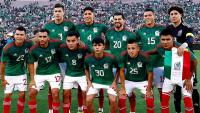
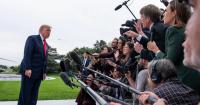
Last update: 2 days agoIn the last 12 hours, coverage tied to the 2026 World Cup and Mexican cultural visibility dominated the news cycle, but with a notable emphasis on controversy and logistics. Several articles focused on ticket pricing and FIFA’s defense of it: President Donald Trump said he “wouldn’t pay” the reported $1,000+ price for the U.S. opener, while FIFA president Gianni Infantino defended “market rates” and pointed to resale dynamics. Alongside that, FIFA-related updates included reports that FIFA released new World Cup tickets as resale prices decline, and that the U.S.-Mexico-Canada tournament is driving major venue changes—such as Arrowhead Stadium’s transformation into “Kansas City Stadium” with FIFA taking control soon.
Cultural and arts coverage also surfaced strongly in the same window, especially around cross-border storytelling and high-profile international platforms. The Nogales International Film Festival returned its “Film on the Fence” concept—projecting films onto the U.S.-Mexico border wall—framing the wall as a shared stage for identity, migration, and community. In parallel, the Venice Biennale drew attention through U.S. pavilion coverage: Alma Allen’s U.S. Pavilion “Call Me the Breeze” was described as controversial and even “empty,” with reporting noting a fraught selection process and the artist’s outsider position. Other arts-adjacent items included a large mural unveiling at Cedars-Sinai (a sunburst mosaic designed by Jay Yan) and weekend arts listings (e.g., Philly’s film and craft events), though these were more routine community roundups than major breaking developments.
Beyond sports and arts, the most concrete Mexico-linked “hard news” in the last 12 hours involved public health and security. A snack mix recall was reported due to potential salmonella risk (with no illnesses reported to date), and U.S. and Mexican authorities seized nearly 2,000 pounds of cocaine from a go-fast vessel in the Pacific, with the drugs reportedly thrown overboard and recovered by the Mexican navy. There were also business/industry announcements with Mexico footprints, including R3 Stem Cell International being designated an authorized provider of Dezawa MuseCells® across its Mexican clinic network.
Looking slightly further back (12 to 72 hours ago), the pattern of World Cup-related uncertainty and media access continued as supporting context. Reports included ongoing broadcast-rights negotiations for India and China, and additional World Cup media policy disputes (for example, a ban on public screenings of Socceroos matches in Melbourne being reversed after backlash). Meanwhile, Mexico’s broader cultural presence kept appearing in entertainment coverage—such as BTS meeting Mexico’s president ahead of Mexico City concerts—reinforcing that the tournament and celebrity culture are being treated as intertwined drivers of attention, even when the specific Mexico-related facts vary by story.
Note: AI summary from news headlines; neutral sources weighted more to help reduce bias in the result.